When a school or family is evaluating a school camp, safety is the deciding factor. Beyond fun or learning, parents and administrators look for the certainty that children will be in a controlled, supervised environment designed for their well-being.
A safe school camp doesn't depend on a single measure, but on a set of coordinated processes, people, and facilities.
SAFETY STARTS FROM PLANNING
A well-organized school camp considers safety before the kids even arrive. This includes:
- Age-structured programs
- Activities matched to participants' abilities
- Pre-defined routes, times, and dynamics
- Basic risk assessment for each activity
Improvisation is one of the main risks in experiences with minors.
CONSTANT SUPERVISION AND TRAINED STAFF
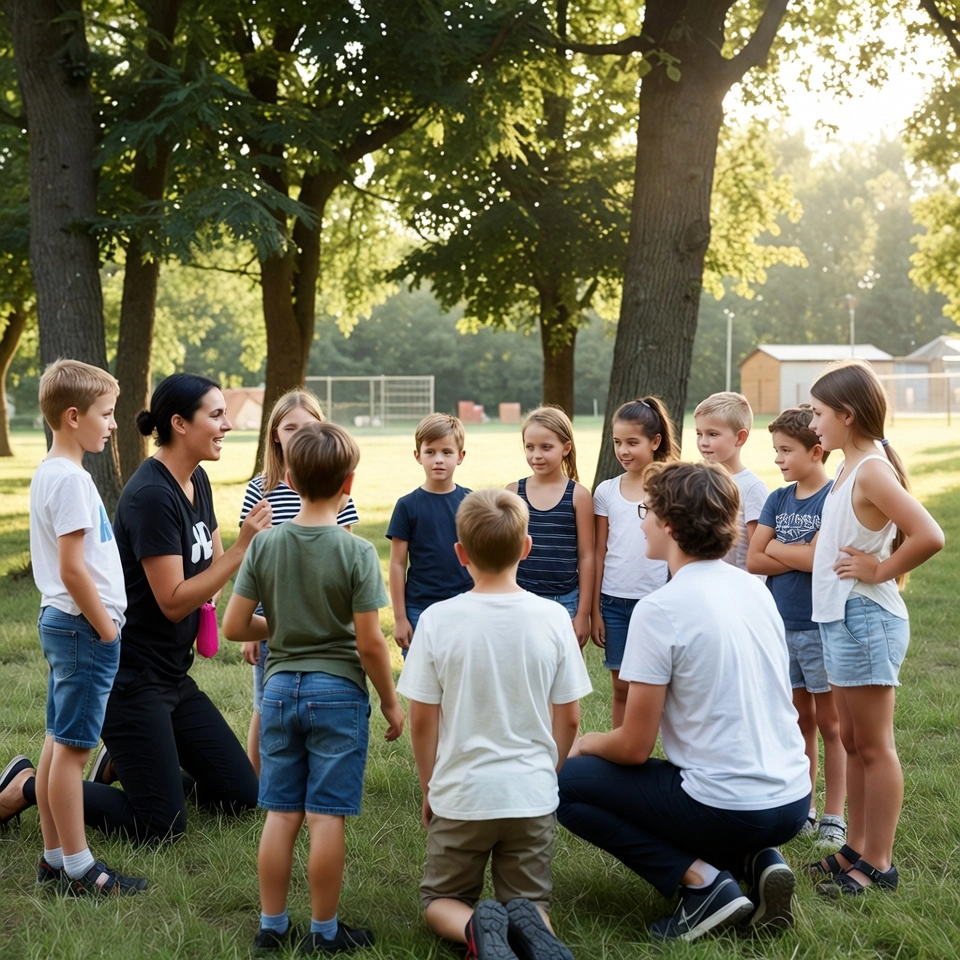
One of the pillars of safety in school camps is the permanent presence of responsible adults. A reliable camp includes:
- Staff trained in handling children's groups
- Continuous supervision during all activities
- Clear communication between coordinators and responsible parties
- Close accompaniment without invading the child's autonomy
Safety doesn't mean rigidity—it means appropriate accompaniment.
FACILITIES DESIGNED FOR SCHOOL GROUPS
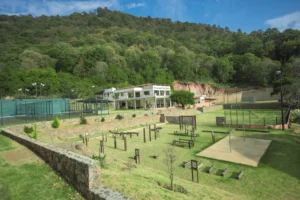
Facilities play a key role in preventing incidents. A safe school camp must offer:
- Spacious and clearly defined areas
- Common areas designed for children
- Adequate rest zones
- Sports and recreational facilities with controlled use
A well-designed environment reduces risks and enables better supervision.
CLEAR PROTOCOLS FOR ANY SITUATION
Rather than promising that “nothing will ever happen,” a professional camp has clear protocols to respond to any eventuality. This includes:
- Guidelines for handling minor incidents
- Communication procedures
- Internal team coordination
- Timely attention to each situation
The peace of mind for parents and schools comes from knowing there are defined plans in place.
EMOTIONAL SAFETY: AN EQUALLY IMPORTANT FACTOR
Safety isn't just physical. In a school camp, emotional well-being is also cared for, fostering:
- Respectful environments
- Positive group integration
- Attention to emotions and individual needs
- Spaces where children feel heard
A child who feels emotionally safe participates more and learns better.
CONCLUSION
Choosing a safe school camp is a decision that directly impacts family peace of mind and educational institutions' trust. Safety isn't just talk: it's a set of visible actions, clear processes, and trained people.
That's why, before choosing a camp, it's essential to know how it operates, how it supervises, and how it cares for each child.