Hill of the Idols Malinalco: History and How to Visit
The Hill of the Idols in Malinalco is where the...
Read more


Organizing a religious retreat for youth catechesis takes far more than booking a venue and letting the parents know. You need a clear spiritual goal, a setting that encourages reflection, and a program that blends prayer, community and quiet time. When these pieces are planned with care, the retreat becomes the turning point that many young people still remember years after their confirmation or first communion.
Catechists, youth ministry coordinators and school principals across Mexico face the same questions every year: when to hold it, how many days to give it, where to go, and how to get teenagers truly involved, without the retreat feeling like one more catechism class moved to a different location. This guide answers those questions with practical steps, designed for parishes, Catholic schools and youth ministry groups.
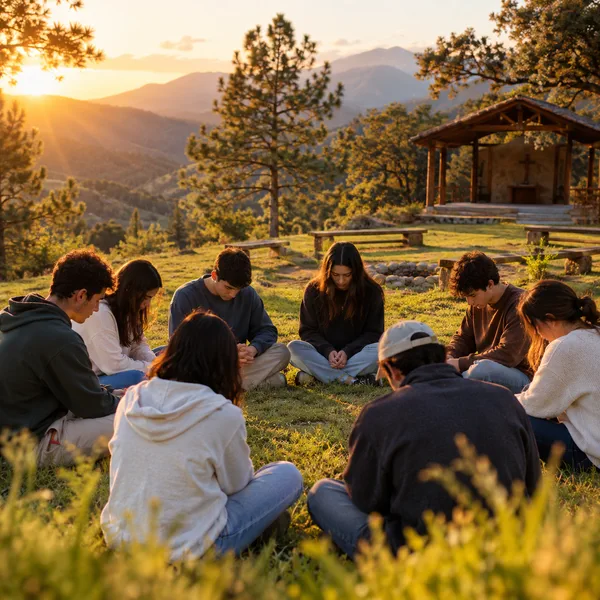
A religious retreat for youth catechesis is an intensive experience, usually lasting one to three days, that takes young people out of their routine and gives them space for personal and group reflection on their faith. Unlike a weekly catechism session, a retreat combines prayer with group activities, guided silence and time together, so learning doesn't stay in the head. It's lived with the body and with the group.
The reason these retreats work has to do with how teenagers think and feel. Taking a young person out of their usual surroundings, away from the constant phone and the daily distractions, helps them let their guard down and open up to deeper questions about their calling, their relationship with God and their community. Many dioceses and youth ministry teams report that the moments with the biggest impact on a young person's formation happen during these trips away from the parish, not in the classroom.
A catechesis class usually follows a set curriculum, with hour-long sessions in a parish classroom, while a retreat is built around one continuous experience. The change of scenery, the extended time with other young people and catechists, and the lack of outside interruptions make it possible to go deeper into topics that barely get a mention in a weekly hour, like forgiveness, personal calling or what it means to live a Christian commitment.
The first mistake many organizers make is jumping straight into looking for a venue before they've settled on the purpose of the retreat. A retreat to prepare for confirmation has a different focus than one meant to strengthen the faith of an established youth group, and mixing up the two usually leads to a scattered program that doesn't land anywhere.
Teenagers between twelve and fifteen usually need more active games and movement between reflection sessions, since their attention span is shorter. Young people sixteen and older, on the other hand, respond better to longer stretches of silence, personal testimonies and open questions that invite them to talk about their own faith experience. Matching the pace of the retreat to the real age of the group, and not to the ideal program the catechist had in mind, is what separates a memorable retreat from one that felt like it would never end.
A one-day retreat works well for small groups or parishes on a tight budget, but it rarely reaches the depth you get when the group sleeps away from home. Weekend retreats, from Friday afternoon to Sunday at noon, are the most common format in Mexico for confirmation catechesis, because they give enough time for at least two nights together without disrupting the teenagers' school week too much.
The venue goes a long way toward deciding whether the retreat succeeds. A place with too much city noise, no green spaces or no covered areas for rainy days limits what the program can do from the start. When you're comparing options near Mexico City or in the State of Mexico, check these points before signing any contract:
In the State of Mexico, options like Camper Club Malinalco, about 90 minutes from Santa Fe, offer several of these features on one 9-hectare property, with large green areas for group activities and covered spaces that let the program keep going even when the weather changes. Before you settle on the activity format, take a look at the available sports and adventure facilities, which can be used for team-building activities between prayer sessions.
A good retreat program rotates, in blocks of forty to sixty minutes, between teaching, personal prayer, group activities and supervised free time. Repeating the same format all weekend wears the group out, while changing the pace keeps everyone interested without losing the central theme of the retreat.
Guided silence is usually the part that gets the most pushback at first and, ironically, the part young people value most by the end. It's best to introduce it gradually, starting with ten minutes of silence along with a short reading or a question to think about, and then add more time as the weekend goes on. Group activities, meanwhile, work best when they start from something shared, like cooking a meal together or solving a team challenge, and then connect to a reflection on community, trust or service.
Evening bonfires, icebreaker games and hikes aren't filler for the schedule, they're where young people let their guard down and catechists can have the most honest conversations of the whole retreat. Designing these activities with a spiritual message in the background, without forcing it, helps the reflection come naturally instead of feeling imposed.
Halfway through the planning process, it's smart to look at spaces that are already set up for this kind of event, since they save weeks of logistics. The vacation rental page at Camper Club Malinalco lets you check date availability and the property's capacity before you commit your group to a venue.
The budget for a youth catechesis retreat usually breaks down into four main categories: lodging, meals, transportation and materials for the activities. Getting quotes for each of these four separately, instead of asking for one flat price with no breakdown, makes it easier to adjust the retreat when the parish or school budget is tight.
| Retreat Format | Typical Length | Approximate Cost per Teen* | Best For |
|---|---|---|---|
| One-day retreat | 6 to 8 hours | Low | Small groups or tight budgets |
| Weekend retreat | 2 nights | Medium | Confirmation and youth ministry groups |
| Full camp | 3 nights or more | Medium to high | Schools and dioceses with several groups at once |
*Cost varies depending on the venue, the number of participants and the services included in the quote.
As for permissions, any retreat involving minors needs a signed authorization from parents or guardians, a list of emergency contacts and, when the group travels out of town, a clear plan for transportation and overnight supervision. Having at least one responsible adult for every eight to ten teenagers is a reasonable ratio to keep everyone safe without making the supervision feel overbearing.
Packing the program with activities and leaving no free time is one of the most common mistakes, because young people need breaks to process what they're experiencing, not just a new activity every hour. Another frequent mistake is not involving the catechumens themselves in some part of the planning, like the music or preparing a moment of prayer, which weakens their sense of ownership of the retreat.
It's also easy to underestimate the logistics of transportation and meals, two things that, when they go wrong, completely overshadow the spiritual side of the weekend no matter how well the program was planned. Confirming meal times, the final headcount and any special dietary needs with the venue at least three weeks ahead helps you avoid last-minute surprises.
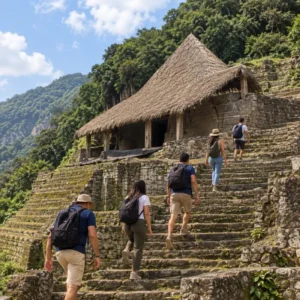
Malinalco, in the State of Mexico, has a long history as a place of reflection that goes back to pre-Hispanic times, when the Hill of the Idols served as a ceremonial site. That reflective spirit lives on today in its mountain setting, its cobblestone streets and the mild climate that makes outdoor activities possible for much of the year.
Parish groups and schools looking for a place outside Mexico City often find in Camper Club Malinalco an option that can host private events and also rent by the room, along with a clubhouse with covered spaces that works for both the teaching sessions and the group's shared meals, which is especially handy when the mountain weather changes without warning.
The most common length in Mexico is two to three days, usually from Friday afternoon to Sunday at noon. Groups with less experience in this kind of event can start with a one-day retreat and work up to a weekend as the catechist team gets more comfortable with the logistics and the spiritual program.
A typical program mixes prayer and liturgy, faith talks, group icebreakers, guided silence, outdoor recreation and evening time together, like bonfires. The balance between these pieces depends on the group's age and the specific goal of the retreat, whether that's preparing for a sacrament or strengthening faith.
The State of Mexico has several options within easy reach of the capital, including Malinalco, a Pueblo Mágico about 90 minutes from Santa Fe, with properties that offer both natural areas and covered facilities for youth groups. Being so close means you can plan a weekend retreat without the drive eating up a whole day of the program.
The cost depends on the number of participants, the length of the stay and the services included at the venue, but it's usually figured per person, counting lodging, meals and use of the facilities. Asking for quotes broken down by category, instead of one flat price, helps organizers adjust the budget without giving up the essentials of the spiritual program.
The difference between a retreat young people forget within a month and one they remember years later comes down to the planning details: a clear goal, a venue that encourages silence and community, and a program that respects the group's real pace instead of the catechist's ideal one. Taking care of the logistics doesn't take anything away from the spiritual side of the retreat. If anything, it frees up the team to focus on what really matters during those days.
For parishes and schools looking for a venue in the State of Mexico with enough room for youth groups, it's worth asking about information and date availability with Camper Club Malinalco before locking in the calendar for your next catechesis retreat.

